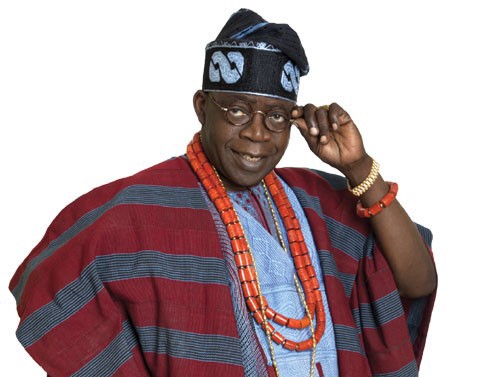
“Tinubu is engineering tomorrow with policy. He is asking for short-term pain today in exchange for long-term gain, and using fiscal reform, politics and institutions to deliver it. That is the essence of leadership: not just seeing what is coming, but preparing the country to meet it”
TINUBU: THE MAN WHO SAW TOMORROW
* 20 Justifiable Reasons to Vote Him Again
By Segun Dipe
When President Bola Ahmed Tinubu took office in May 2023, he did not inherit an economy that was merely struggling. He inherited one that was shambolic. A system built on borrowing, subsidy fraud, and multiple exchange rates that rewarded a few and punished over 200 million Nigerians. The choice before him was simple: manage the decline, or confront it. He chose to confront it. Three years later, we can now see why that decision mattered.
In public conversation, people have started calling him something different. While Nostradamus, the 16th-century French astrologer, is remembered for cryptic warnings of war, plague and collapse, supporters now call Tinubu Nigeria’s “boomsday prophet.” The difference is deliberate. Nostradamus predicted doom and had no tools to change it. Tinubu is engineering tomorrow with policy. He is asking for short-term pain today in exchange for long-term gain, and using fiscal reform, politics and institutions to deliver it. That is the essence of leadership: not just seeing what is coming, but preparing the country to meet it.

First, he ended the ₦4 trillion fuel subsidy that was bleeding the treasury dry and funding smugglers instead of schools. Second, he unified the exchange rate and ended the economic apartheid where connected people got cheap dollars while the rest paid black market rates. Third, he cleared a $7 billion FX backlog that was strangling manufacturers and airlines, restoring confidence in the system. Fourth, our external reserves have climbed to an 18-year high of $54 billion, giving the country buffers we did not have before. Fifth, debt service to revenue has fallen from over 90% to about 48%, meaning more money is now available for capital projects instead of interest payments.
Sixth, FAAC allocations to states and local governments have increased significantly, and that is why you are seeing more roads, wage awards, and projects across the country. Seventh, he digitized FIRS and Customs, plugged leakages, and proved that Nigeria can earn its way out instead of borrow its way out. Eighth, he launched the Nigerian Student Loan Scheme so that no child will drop out of tertiary school because of school fees. NELFUND has already supported about 1.5 million students with no collateral, a direct investment in human capital. Ninth, Consumer Credit has been rolled out to put goods in the hands of citizens and stimulate demand in our markets. Tenth, the CNG initiative is reducing transport costs and moving us away from dependence on imported PMS.
Eleventh, social investment programs are now BVN-linked, so money gets to the poor directly and middlemen can no longer hijack it. Twelfth, he attracted renewed investor interest because one market, one price means investors can now trust the rules. Thirteenth, he is reforming taxation to be more efficient and less burdensome, targeting the wealthy and corporations, not poor Nigerians. Fourteenth, he is investing in power, ports, and infrastructure through PPPs because he understands that production needs infrastructure. Fifteenth, he has restored Nigeria’s credibility on the global stage so that we are being taken seriously again in investment and diplomatic circles.

The intellectual anchor for much of this is not new. At the 2026 Awolowo Memorial Lecture, the President himself referenced Chief Obafemi Awolowo. Awolowo’s blueprint in the old Western Region was regional, direct and human-capital first: free primary education in 1955, free healthcare, gainful employment, and rural-urban integration. He built over 2,000 km of roads, schools, hospitals, farm settlements and markets with cocoa revenue, proving that productive federalism works.
Tinubu is attempting to scale that philosophy nationally, but with contemporary tools. Instead of blanket freebies, the model now uses targeted loans, insurance and revenue reforms. Subsidy gains are being channeled into education, health, roads, rail and power. States and LGs are being pushed to take greater responsibility for primary services. The digital economy and youth empowerment are added for a 21st-century economy. Awolowo proved it in one region. Tinubu is trying to make it work across 36 states and the FCT, in a more complex federation, with market discipline as the starting point.
Sixteenth, he chose hard truths over easy lies. He refused to continue the shambolic practice of borrowing to consume. Seventeenth, he is building institutions, not personalities, so that reforms will outlive any one administration. Eighteenth, he has shown that leadership is foresight, making painful decisions today so that our children do not inherit collapse tomorrow. Nineteenth, he has created fiscal space for states to deliver, aligning federal stability with subnational progress. And twentieth, he has given Nigeria direction for the first time in 20 years. We may not be where we want to be yet, but we are no longer drifting.

The opposition will ask you to go back to “how it was before.” Which before? The shambolic before of fake exchange rates, empty treasuries, and borrowed prosperity? You cannot demand discipline and at the same time demand the return of subsidy. That is not leadership, that is deception.
Nigeria is moving from shambles to structure. From consumption to production. From rent-seeking to enterprise. The pain is real, but so is the repair. In January 2027, we must reward foresight with continuity. We must vote en masse for President Bola Ahmed Tinubu. Because Renewed Hope is the only agenda that can take Nigeria from a shambolic past to a prosperous future. He met shambles. He chose reform. He saw tomorrow. Let us give him the mandate to finish the work.
* Segun Dipe writes on politics and governance