“Nigeria is not a failed state. Oyo is not a war zone. We have a constitution. We have security agencies. We have a resilient people. The UN has a critical role in development, in health, in education. It does not have a role as our first responder to crime”
OYO ABDUCTION AND RESCUE: SHOULD THE UN WADE IN AS MAKINDE REQUESTED?
By Segun Dipe
When citizens are abducted and rescued on Nigerian soil, the first question we must ask is simple: how do we strengthen our own institutions so they can respond faster next time? The last question, if we are honest, should be who else we can call from outside.
It is for this reason that the proposal by Governor Seyi Makinde of Oyo State, inviting the United Nations to intervene in the aftermath of the recent abduction and rescue in Oyo, comes across as misguided, dangerous, and an affront to the sovereignty and capacity of Nigeria.
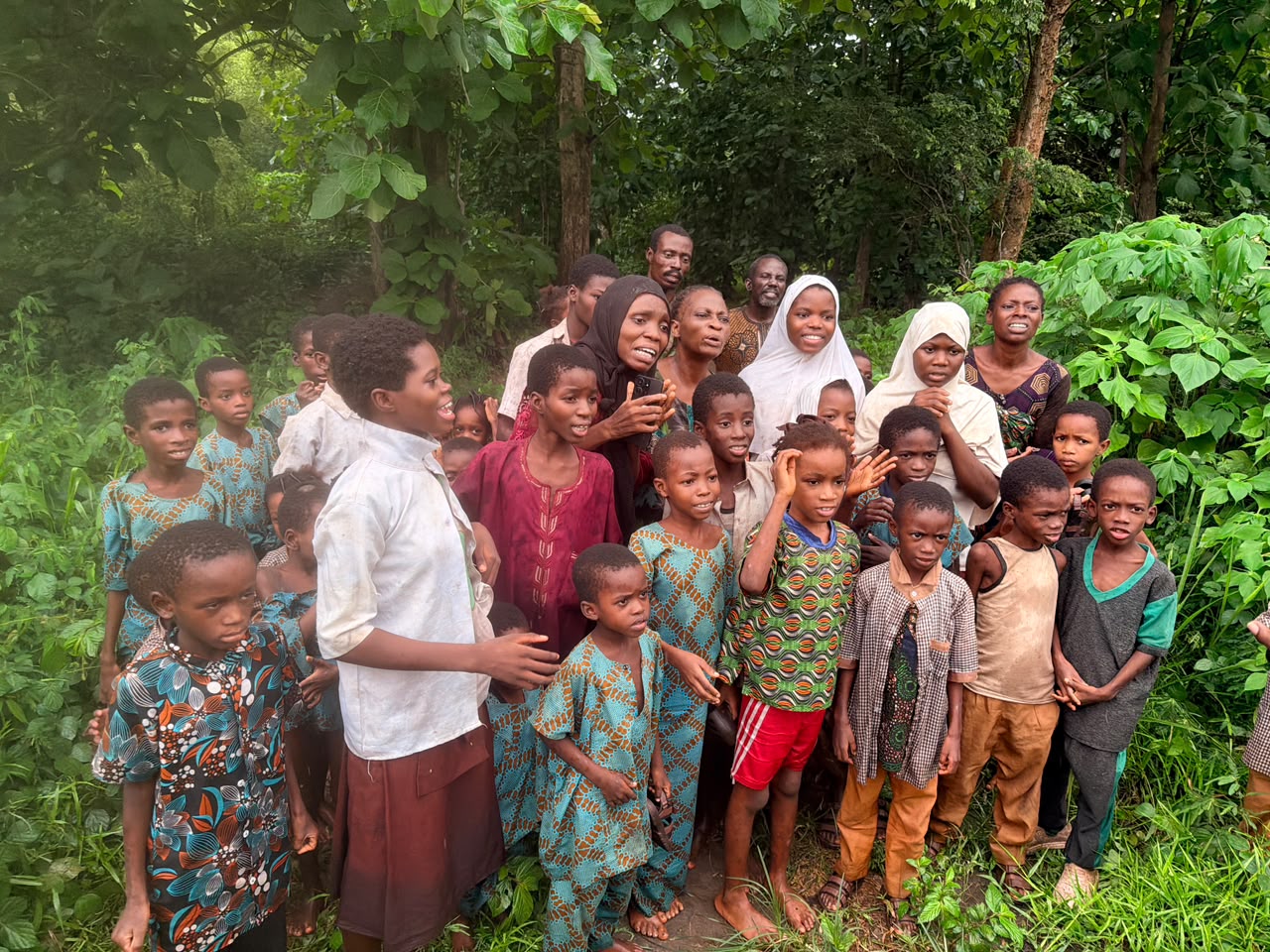
Let us be clear. Every life lost or taken in an abduction is one too many. The pain of families in Oyo is real, raw, and present. Government has a duty to bring relief, deliver justice, and prevent a repeat. But to meet that duty by inviting the UN into an internal security matter is to set a precedent we will live to regret.
Nigeria already has institutions for this work. We have the Nigeria Police Force, the DSS, the Army, the NSCDC, and state-backed outfits like Amotekun. We also operate a federal structure where governors are designated as Chief Security Officers of their states. If the response to the abduction was slow, then the question is not which foreign body to import. The question is whether our agencies were properly funded, whether intelligence and community policing were working, and whether our courts were delivering justice with speed.
To call in the UN at this stage is an admission of failure we have not earned. It tells our officers that they are not good enough. It tells criminals that the state is weak. What we need is not a foreign mission, but reform, training, better equipment, and tighter coordination between federal and state actors.
Beyond capacity, there is sovereignty. The UN does not operate like an NGO that flies in, holds a workshop, and departs. A UN intervention comes with mandates, assessments, reports, and political leverage that outlive the incident that invited it. Today it is about one abduction case in Oyo. Tomorrow it becomes the template for “human rights monitoring” in other states. The next time there is a communal clash, a protest, or an election dispute, the refrain will be “call the UN, Makinde did it.”
Nigeria has fought too hard and paid too dearly to manage our own security challenges to now outsource them. Boko Haram was degraded by Nigerian troops. Banditry is being confronted by Nigerian forces. Kidnapping rings are being busted by Nigerian police and local vigilantes. We have the men and women for this job. What we lack in some places is political will and resources. That is what we should supply.
There is also perception. Oyo, like many other States in Nigeria, is positioning itself as an investment destination in agriculture, technology, and education. What signal does a request for UN intervention send? That Oyo is a conflict zone? That the government cannot guarantee safety? Investors do not commit capital to places where the UN must come to keep the peace. They commit to places where the state demonstrates it can protect lives and property. In that sense, the optics of this request may do more damage than the crime itself.
And let us not pretend the UN is a magic wand for crime. In countries where the UN has intervened in internal security, the missions tend to be long, expensive, and to create dependency, while local capacity quietly withers. Abduction and kidnapping are criminal problems. They are solved by intelligence, prosecution, community trust, and deterrence. The UN has no powers to arrest a kidnapper in Ibarapa or Saki or any community in Oyo. Our police do. Our courts do. Let us back them.
So what should Governor Makinde do? He should strengthen Amotekun and invest in local intelligence, because abductors thrive where communities are silent. Fund tip lines, equip local hunters, and reward credible information. He should push for fast-tracked prosecutions so kidnappers know that if caught, they will face the law within months, not years. He should work more closely with the Federal Government, because security is on the concurrent list for a reason, and demand more police, more equipment, and better synergy. And he should set up real victim support — a trauma and compensation fund for rescued victims and their families. That is tangible help. That is leadership.
Governor Makinde means well. No leader wants to see his people taken. But good intentions do not always equal good policy.
Nigeria is not a failed state. Oyo is not a war zone. We have a constitution. We have security agencies. We have a resilient people. The UN has a critical role in development, in health, in education. It does not have a role as our first responder to crime.
If we invite the UN to intervene every time we face a security challenge, we are not solving the problem. We are advertising it.
The answer to the Oyo abduction is not a UN mission. The answer is a stronger Oyo and a stronger Nigeria. Let us build that.