“Critics will call it controversial. Supporters will call it courageous. But history will judge it by one thing: did it make Nigeria work better?”
THE 20 LAWS OF POWER OF PRESIDENT TINUBU
By Segun Dipe
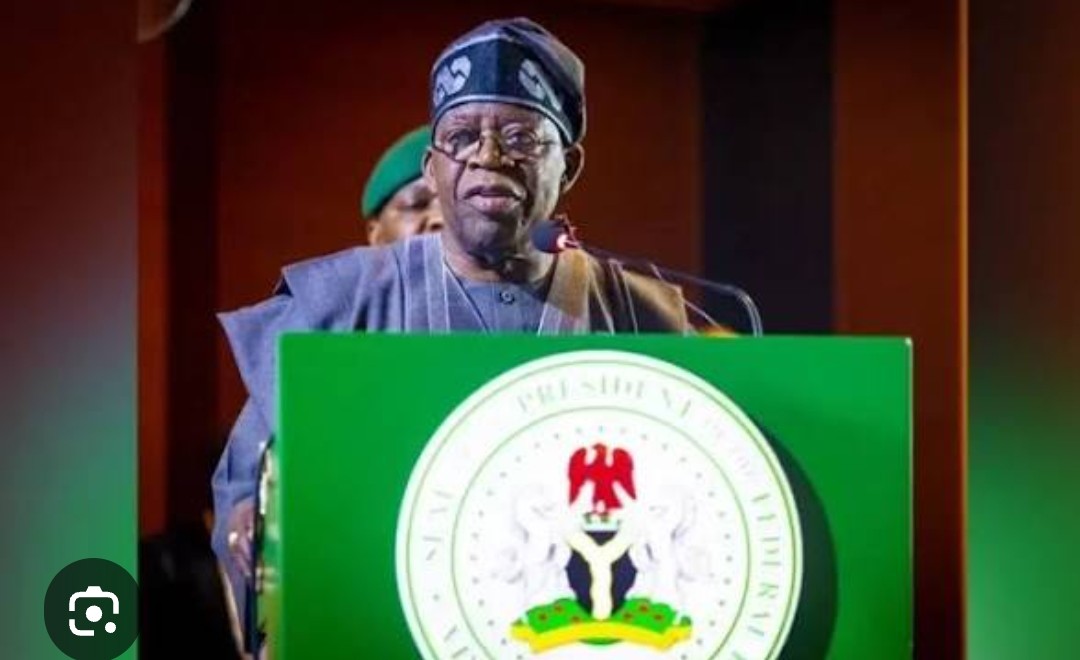
Power, in politics, is not about noise. It is about structure, patience, timing, and results. In three years, President Bola Ahmed Tinubu has shown a distinct pattern of leadership. Call it strategy, call it experience, call it the Lagos-Ikoyi-Abuja school of politics. Whatever the name, it is producing results.
Here are the 20 Laws of Power that define how President Tinubu has governed Nigeria from 2023 to 2026:
1. The Law of “Nigeria First”
Every decision starts with one question: does it serve Nigeria? Party, region, and ego come second. That is why he appoints competence across party lines.
2. The Law of Bold Reforms Early
He used the first 100 days to do what others postponed for years: subsidy removal, forex unification, and cabinet renewal. Pain first, gain later.
3. The Law of Listening, Then Deciding
He meets with governors, labour, students, traditional rulers, and the opposition. He listens to all. But when he decides, he decides firmly.
4. The Law of Building Bridges, Not Walls
From APC to PDP governors, from the North to the South, he is creating a government of national inclusion. Politics ends at the ballot box.
5. The Law of Institutional Strength
Power is not in one man. It is in institutions. He is retooling the CBN, FIRS, NNPC, and the security agencies to function beyond personalities.
6. The Law of Economic Courage
Tough reforms are not popular. But without them, there is no investment. He chose investor confidence over temporary applause.
7. The Law of Security as Foundation
No economy grows in fear. That is why security funding, recruitment, and joint operations have been top priority in the Renewed Hope Agenda for 3 years.
8. The Law of Federalism in Practice
He is pushing more resources, autonomy, and responsibility to states. The center sets policy, states deliver results.
9. The Law of Data and Numbers
Every claim must be backed by data. From inflation to oil production to IGR, the government now speaks in metrics, not slogans.
10. The Law of Youth as Capital
Through student loans, 3MTT, tech hubs, andp MSME grants, he is betting that Nigeria’s biggest asset is its young people.
11. The Law of Infrastructure as a Message
Roads, rails, ports, and Renewed Hope Cities. Infrastructure is not just concrete. It is proof that government is working.
12. The Law of International Reputation
He is repositioning Nigeria abroad. From ECOWAS to G20, the message is clear: Nigeria is back, stable, and open for business.
13. The Law of Political Patience
He does not react to every tweet. He absorbs pressure, builds consensus, and moves when the timing is right.
14. The Law of Appointing Competence
Ministers, advisers, and agency heads are chosen for track record, not just loyalty. Results are the new KPI.
15. The Law of Communication Through Action
Fewer press wars. More commissioning. Nigerians are tired of grammar. They want light, food, and jobs.
16. The Law of Fiscal Discipline
Leakages are being blocked. Subsidies that benefited the few are gone. The money is being redirected to health, education, and infrastructure.
17. The Law of Legacy Thinking
He is not governing for 4 years. He is building for 20 years. Energy transition, digital economy, and food security are long plays.
18. The Law of Owning Failure and Success
When policies bite, he explains. When they work, he credits the team. Accountability is part of the brand.
19. The Law of Coalition Politics
He understands that no one wins alone. He is constantly expanding the tent, bringing in former opponents as stakeholders.
20. The Law of ‘Finish the Job’
Half measures don’t interest him. Whether it is subsidy, security, or the economy, the goal is to complete the reform and lock in the gains.
After 3 years, the 20 Laws of Power are clear. This is not politics of reaction. This is politics of design.
Reform first, reconcile always, deliver last.
Critics will call it controversial. Supporters will call it courageous. But history will judge it by one thing: did it make Nigeria work better?
From 2023 to 2026, the signs suggest yes. The economy is stabilizing. Security architecture is being decentralized. States are getting more. And the national conversation has shifted from survival to growth.
President Bola Ahmed Tinubu is applying these 20 laws to mend, to build, and to move Nigeria forward.
* Segun Dipe writes as public affairs analyst.